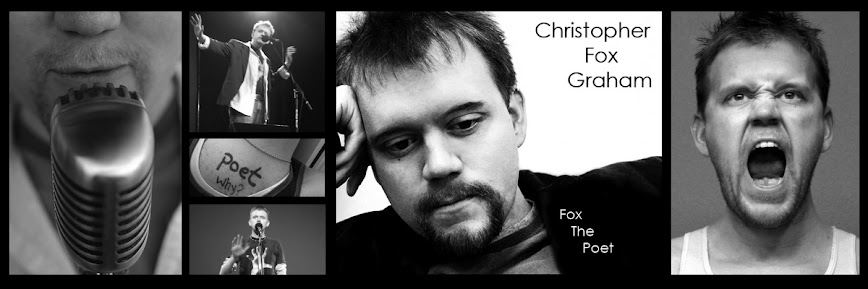

The Sedona Poetry Slam opens its 18th season on Saturday, Oct. 10, with a twist: The first slam of the year takes the stage on the set of “The Dead Quilters Society,” the play being staged at the Mary D. Fisher Theatre that weekend and the next. Performance poets will bring high-energy, competitive spoken word to the theater starting at 7:30 p.m.
Poets will compete for cash prizes on a set built for the popular Sedona historical play — a collision of page, stage and improvised scenery that regulars say only adds to the show.

Open Slam
A poetry slam is like a series of high-energy three-minute one-person plays judged by the audience. Slam poetry is an art form that allows written page poets to share their work alongside theatrical performers hip-hop artists and lyricists.
Poets come from as far away as Phoenix Tucson Prescott and Flagstaff competing against local poets from Sedona and Cottonwood college poets from Northern Arizona University and youth poets from Verde Valley high schools. All types of poetry are welcome on the stage from street-wise hip-hop and narrative performance poems to political rants and introspective confessionals. Any poem is a “slam” poem if performed in a competition. All poets get three minutes per round to entertain and inspire the audience with their creativity.
Anyone can sign up to compete in the slam for the $75 grand prize and $25 second-place prize. To compete in the slam poets will need three original poems each lasting no longer than three minutes. No props costumes nor musical accompaniment are permitted — except, for this one night, the play’s own quilting-themed backdrop, which stays put. The poets are judged Olympics-style by five members of the audience selected at random at the beginning of the slam.
Email host Christopher Fox Graham at foxthepoet@yahoo.com to sign up early to compete or by the Friday before the slam or sign up at the door the day of the slam. Poets who want to compete should purchase a ticket in case the roster is filled before they arrive.

Tickets and Venue
The Mary D. Fisher Theatre is located at 2030 W. SR 89A Suite A-3 in West Sedona. Tickets are $12 in advance or $15 at the door. For tickets call 928-282-1177 or visit SedonaFilmFestival.org.

Upcoming Slams
The next poetry slams will be held on Saturdays, Dec. 5 at the Alice Gill-Sheldon Theatre, and Feb. 13, March 6, April 17 and May 22 at the Mary D. Fisher Theatre.
The prize money is funded in part by a donation from Verde Valley poetry supporters Jeanne and Jim Freeland.
For more information visit sedonafilmfestival.com or foxthepoet.blogspot.com. For a full list of slam poetry events in Arizona visit azpoet.com or the Arizona State Poetry Society at azpoetry.net..

What is Poetry Slam?
Founded at the Green Mill Tavern in Chicago in 1984 by Marc Smith poetry slam is a competitive artistic sport designed to get people who would otherwise never go to a poetry reading excited about the art form when it becomes a high-energy competition. Poetry slams are judged by five randomly chosen members of the audience who assign numerical value to individual poets’ contents and performances.
Poetry slam has become an international artistic sport with more than 100 major poetry slams in the United States Canada Australia and Western Europe. Slam poets have opened at the Winter Olympics performed at the White House and at the United Nations General Assembly and were featured on “Russell Simmons’ Def Poets” on HBO.
Sedona has sent four-poet teams to represent the city at the National Poetry Slam in Charlotte N.C. Boston Cambridge Mass. Oakland Calif. Decatur Ga. Denver and Chicago.


